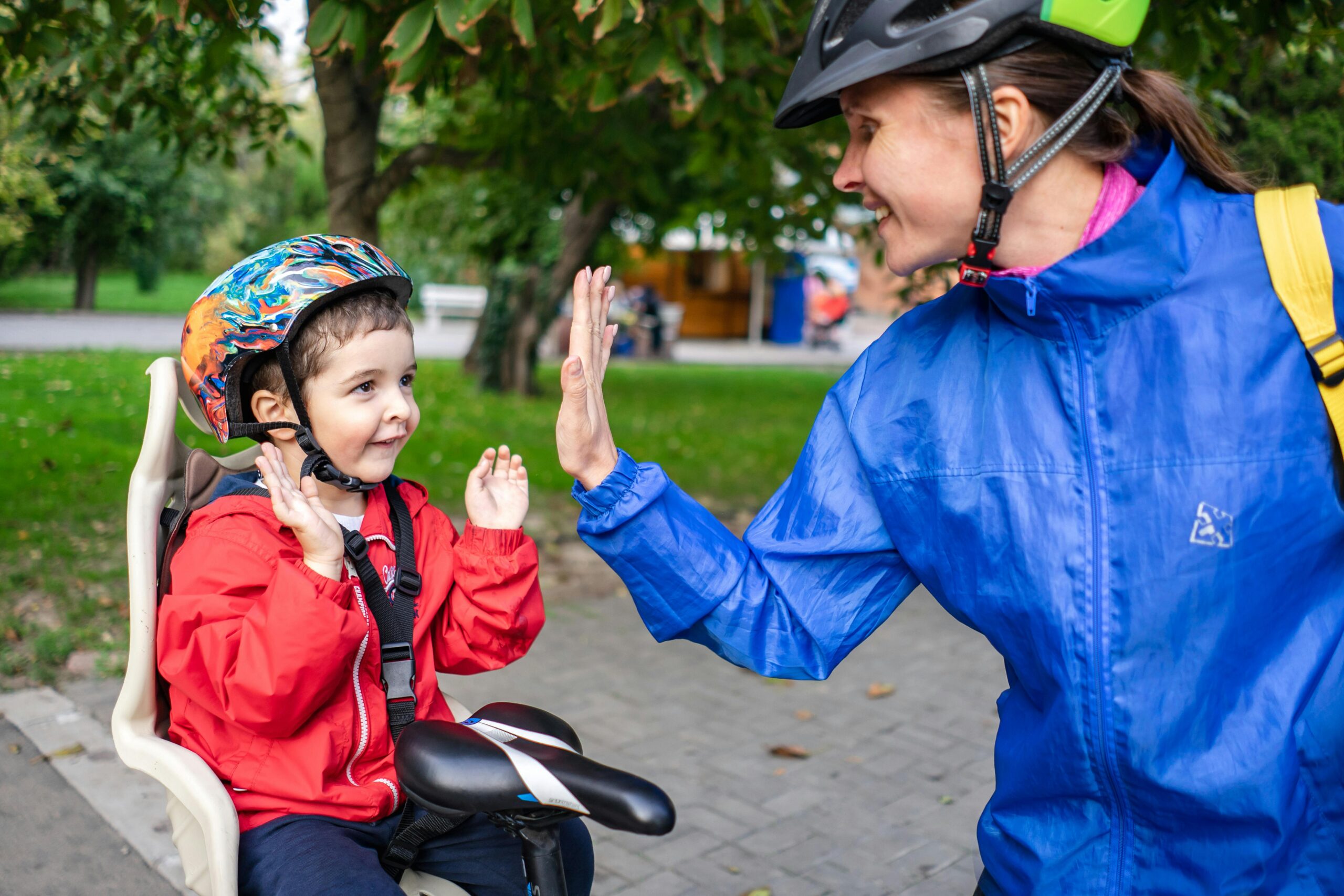
Wondering how to reward your child for good behavior? As a first-time parent, one of the most rewarding experiences is watching your child learn right from wrong. It is a slow and sometimes exhausting process, but it is also one of the most fulfilling parts of parenthood. One thing I have learned along the way is that recognizing and rewarding good behavior goes a long way in shaping who your child will become.
Children thrive on positive reinforcement. When they feel seen and appreciated for doing the right thing, they are more likely to repeat that behavior. It does not always have to be something big or expensive. Sometimes, the smallest gestures leave the biggest impact.
Start With Simple Rules Before You Reward Your Child
Before you can reward your child, you have to establish what good behavior looks like in your home. Start small and keep things simple. For toddlers and young kids, too many rules at once can be overwhelming. Pick two or three things you want to focus on, like putting away toys after playtime, saying please and thank you, or being gentle with pets and younger siblings.
When Elijah was little, we started with something basic. Every time he finished playing, we reminded him to put his toys back in their storage boxes. It took patience and a lot of gentle reminders, but eventually it stuck. Before long, he was doing it on his own without being asked. That small win meant everything.
Consistency is key. Children learn through repetition, so the more consistently you reinforce a rule, the faster they will internalize it. Make sure that everyone at home, whether it is both parents, grandparents, or a caregiver, is on the same page so your child does not get mixed signals.
According to the American Academy of Pediatrics, positive reinforcement is one of the most effective ways to encourage good behavior in young children.
Why Rewards Work
Rewarding good behavior is rooted in something called positive reinforcement. Simply put, when a behavior is followed by something pleasant, a child is more likely to repeat that behavior. This does not mean bribing your child. It means acknowledging their effort and letting them know that you noticed.
Praise alone can be incredibly powerful. A simple “I am so proud of you” or “You did such a great job!” can light up a child’s face in a way that no toy ever could. Eye contact, a hug, or a high five can reinforce the message even further. Never underestimate the power of your attention and approval as a parent. To your child, you are their whole world.
Simply put, a child is more likely to repeat a behavior after experiencing something pleasant. That said, tangible rewards also have their place, especially when you are trying to build a new habit or encourage a behavior that requires more effort from your child. You can read more about how praise builds confidence in kids over at Psychology Today.
How to Reward Your Child: Simple and Meaningful Ideas
Food treats. Kids love to eat, and nothing says “I am proud of you” quite like cooking their favorite meal or surprising them with a special snack. It does not have to be junk food. A plate of their favorite fruit, a homemade cookie, or a kiddie meal from their favorite restaurant can feel like the biggest celebration in the world to a young child.
Toys. Children are naturally playful, and a new toy can be a great motivator. It does not have to be expensive. A small puzzle, a new set of crayons, or a toy car can do the trick. The point is not the price tag but the message behind it: “You worked hard, and you deserve something special.”
Clothes. Kids today love expressing themselves through what they wear. A character shirt featuring their favorite cartoon, a fun pair of sneakers, or a dress-up outfit can feel like the most exciting thing in the world to a young child. Let them pick it out themselves whenever possible. Giving them that small sense of choice and autonomy also builds confidence.
Experiences. Sometimes the best reward is not a thing at all. A trip to the park, a movie night at home, an extra 30 minutes of playtime before bed, or a visit to their favorite place can mean more to a child than any material gift. These shared moments also strengthen your bond with them, which is perhaps the greatest reward of all.
Quality time and attention. This one is easy to overlook, but for young children, having your undivided attention is everything. Put the phone down, sit on the floor with them, and just play. Let them lead. That kind of presence tells your child they matter and reinforces good behavior in the most natural way possible.
Finding the Right Balance When You Reward Your Child
Knowing how to reward your child also means knowing when not to. If your child receives a reward for every single thing they do, the rewards lose their meaning over time. The goal is to raise a child who behaves well because it is the right thing to do, not just because there is something in it for them.
As your child grows, you can gradually shift from tangible rewards to verbal praise and privilege-based rewards. Let them earn screen time, a later bedtime on weekends, or the chance to choose what is for dinner. These kinds of rewards teach them that effort and good choices have real-world payoffs, which is a lesson that will serve them well for the rest of their lives.
It is also important to address bad behavior calmly and consistently. A gentle but firm consequence helps your child understand that actions have results, both good and bad. The goal is never to shame or frighten them, but to guide them toward making better choices next time. If you are looking for more guidance on this, check out our post on Discipline: Are You Consistent? for practical tips you can use at home. You may also want to read Do You Spank Your Kids? for an honest look at how discipline choices affect your child in the long run.
A Final Word on How to Reward Your Child
Parenting is not a perfect science. There will be days when nothing seems to work and you feel like you are stuck. That is normal. The fact that you are thinking about how to reward your child and nurture their growth already says so much about the kind of parent you are.
Celebrate the small wins. Acknowledge the effort, not just the result. And remember, your love, time, and faith in your child are the best gifts you can give.
You are doing better than you think.
Did you find this post helpful? Share it with a fellow parent or leave a comment below!