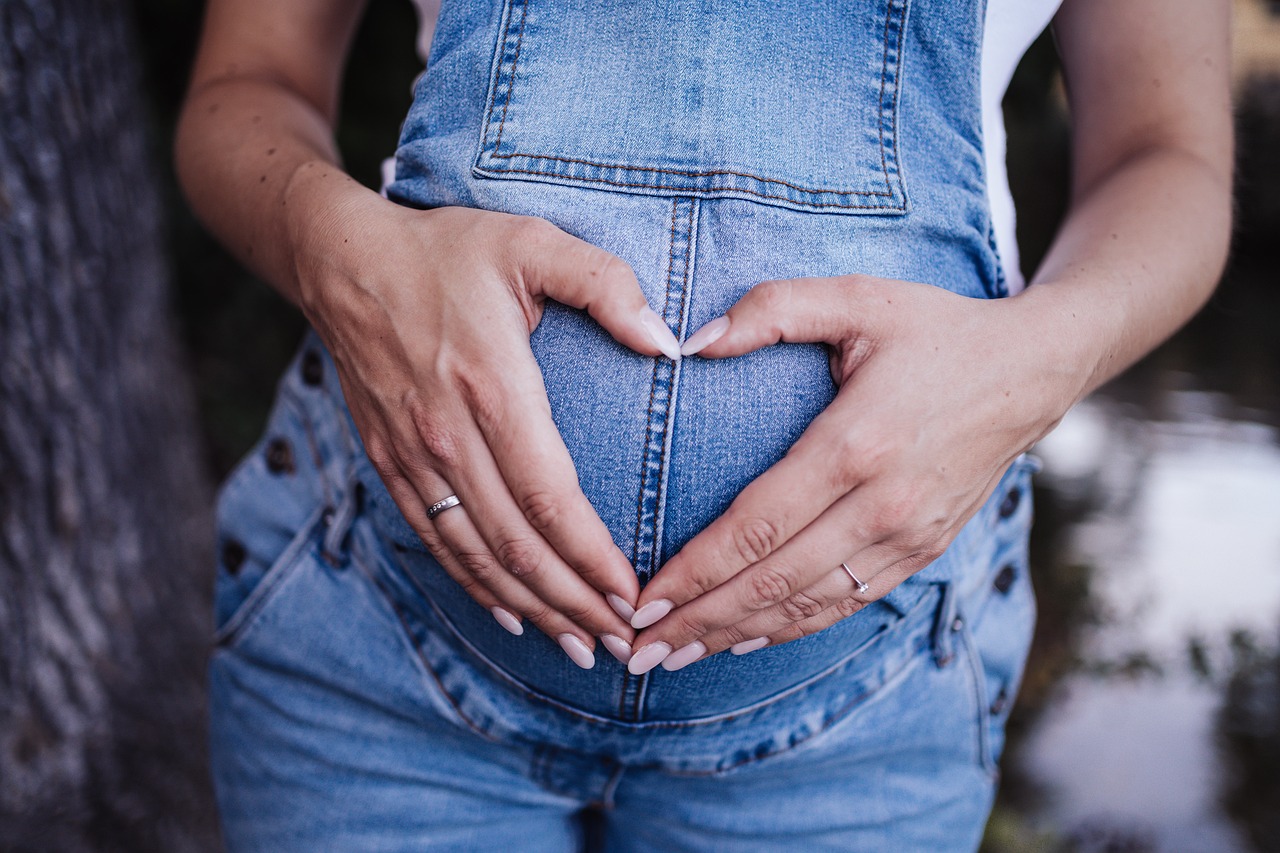
Experiencing bloating during early pregnancy is one of the most common symptoms many women encounter in their first trimester. While it can be uncomfortable and distressing, understanding its causes and knowing how to manage it can make a big difference in how you feel day to day. In this post, we will talk about why bloating happens during early pregnancy and share practical tips to help you feel more comfortable.
What Causes Bloating in Early Pregnancy?
During the early stages of pregnancy, your body goes through significant hormonal changes and physical adaptations that can contribute to bloating. Here are the key reasons why this happens:
Hormonal Changes
Elevated levels of progesterone, a hormone crucial for maintaining a healthy pregnancy, slow down digestion and relax the muscles in your gastrointestinal tract. This leads to a buildup of gas and that uncomfortable bloated feeling.
Increased Blood Volume
Pregnancy causes your blood volume to increase significantly, which can result in water retention and bloating throughout your body.
Constipation
Hormonal fluctuations and the pressure from your growing uterus can slow down bowel movements, leading to constipation. This is one of the most common culprits behind bloating in the first trimester.
Tips for Managing Bloating During Early Pregnancy
The good news is that there are simple and effective ways to manage bloating. Here is what you can do:
Stay Hydrated
Drinking enough water throughout the day helps prevent water retention and promotes regular bowel movements, both of which can reduce bloating. Aim for at least eight glasses a day.
Eat Smaller, More Frequent Meals
Instead of eating three large meals, try eating five to six smaller meals throughout the day. This eases digestion and minimizes the pressure on your stomach that causes bloating.
Choose Fiber-Rich Foods
Incorporate fiber-rich foods like whole grains, fruits, and vegetables into your daily diet. Fiber aids digestion, helps prevent constipation, and reduces bloating over time.
Exercise Regularly
Light to moderate physical activity such as walking or prenatal yoga can stimulate digestion and relieve bloating. Even a short 15 to 20 minute walk after meals can help.
Avoid Trigger Foods
Pay attention to foods that cause you to feel gassy or bloated and try to limit or avoid them. Common triggers include carbonated drinks, fried foods, spicy dishes, and certain vegetables like cabbage and broccoli.
Be Mindful of How You Eat
Chew your food slowly and thoroughly to aid digestion. Avoid swallowing excess air by not drinking through a straw or chewing gum, as these habits can make bloating worse.
Consider Probiotics
Probiotic-rich foods like yogurt or probiotic supplements can promote a healthy gut and aid digestion, which may help reduce bloating. Always consult your doctor before taking any supplements during pregnancy.
When to See Your Doctor
While bloating is generally a normal part of early pregnancy, there are times when it may signal an underlying issue. Contact your healthcare provider if you experience any of the following:
- Severe or persistent bloating accompanied by intense pain
- Vomiting or diarrhea that does not go away
- Blood in your stool
- Rapid weight gain or swelling of the hands and feet
- Decreased urine output
It is always better to be safe and check with your doctor if something does not feel right.
Final Thoughts
Bloating in early pregnancy is uncomfortable, but it is usually a normal part of the process. By staying hydrated, eating smaller meals, adding more fiber to your diet, staying active, and being mindful of your eating habits, you can manage this symptom effectively. As always, if you have any concerns or your symptoms become severe, do not hesitate to reach out to your healthcare provider.
Sources:
- Mayo Clinic: “Pregnancy week by week” Source: https://www.mayoclinic.org/healthy-lifestyle/pregnancy-week-by-week/expert-blog/bloating-and-pregnancy/bgp-20302448
- American Pregnancy Association: “Gas and Bloating During Pregnancy” Source: https://americanpregnancy.org/pregnancy-health/gas-and-bloating-during-pregnancy-5717/
- WebMD: “Early Pregnancy Symptoms” Source: https://www.webmd.com/baby/guide/pregnancy-am-i-pregnant#1
Experiencing bloating during early pregnancy can be uncomfortable, but it is usually a normal part of the process. Understanding the causes and implementing practical management strategies can help alleviate this symptom. By staying hydrated, eating smaller meals, incorporating fiber-rich foods, exercising regularly, and being mindful of eating habits, you can effectively manage bloating. Remember, if you have any concerns or experience severe symptoms, it’s essential to consult your healthcare provider for appropriate guidance.