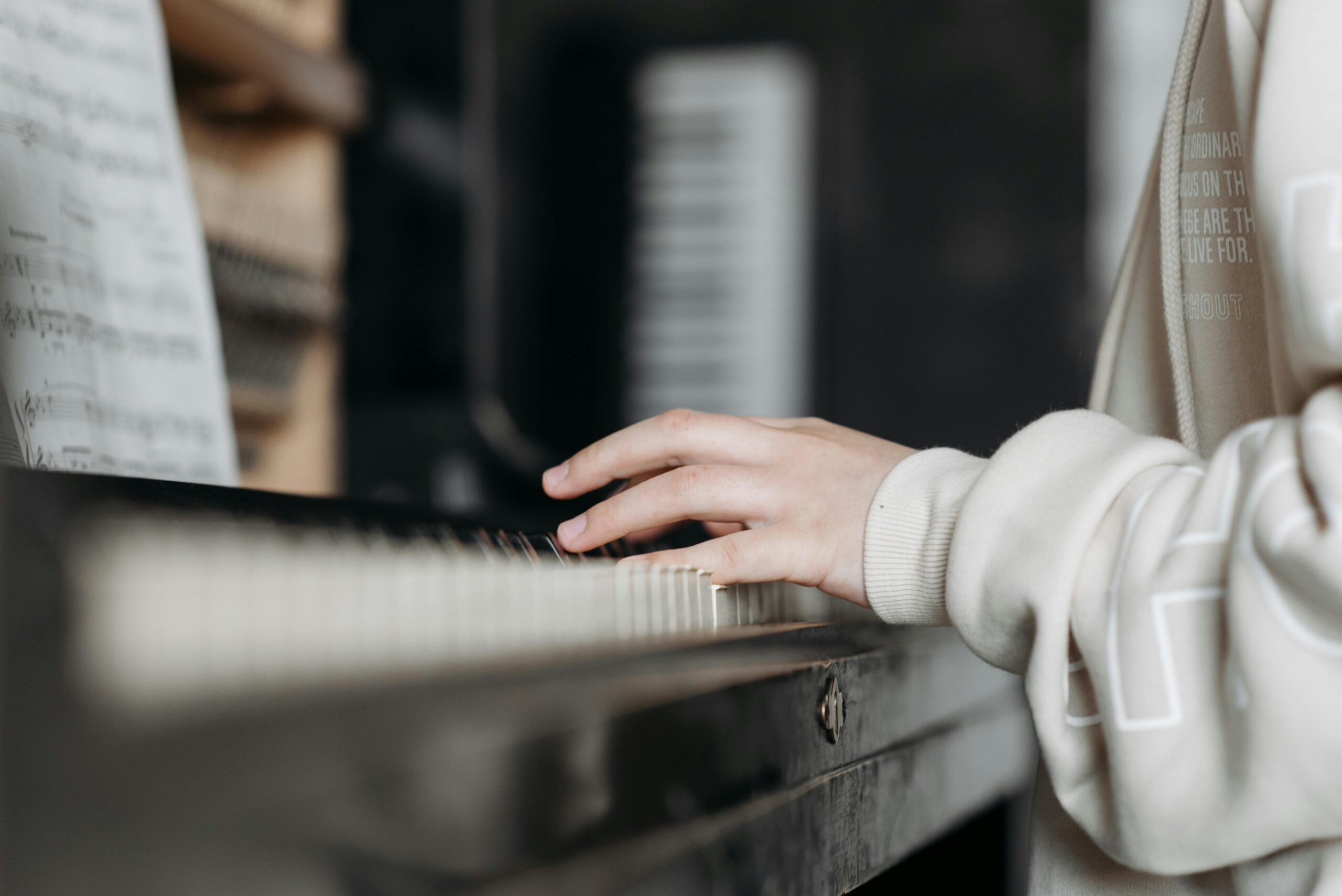
If you have been thinking about introducing your child to a musical instrument, let me save you some time: piano is the best first instrument for kids. I know that might sound like a bold claim, but hear me out. As a mom who has thought a lot about music education and watched Elijah grow up surrounded by music, I truly believe that the piano offers children the most solid, well-rounded foundation you can ask for.
And the best part? You do not have to be a music expert to know this. The reasons are practical, backed by research, and honestly just make a lot of sense.
It Is the Easiest Instrument to Start With
One of the biggest challenges with learning any instrument is the barrier to entry. With string instruments like the violin, children have to learn proper bowing technique, finger placement, and how to produce a clean sound before they can even play a simple melody. Wind instruments require mastering breath control and embouchure. These are not impossible for kids, but they take time and can be frustrating.
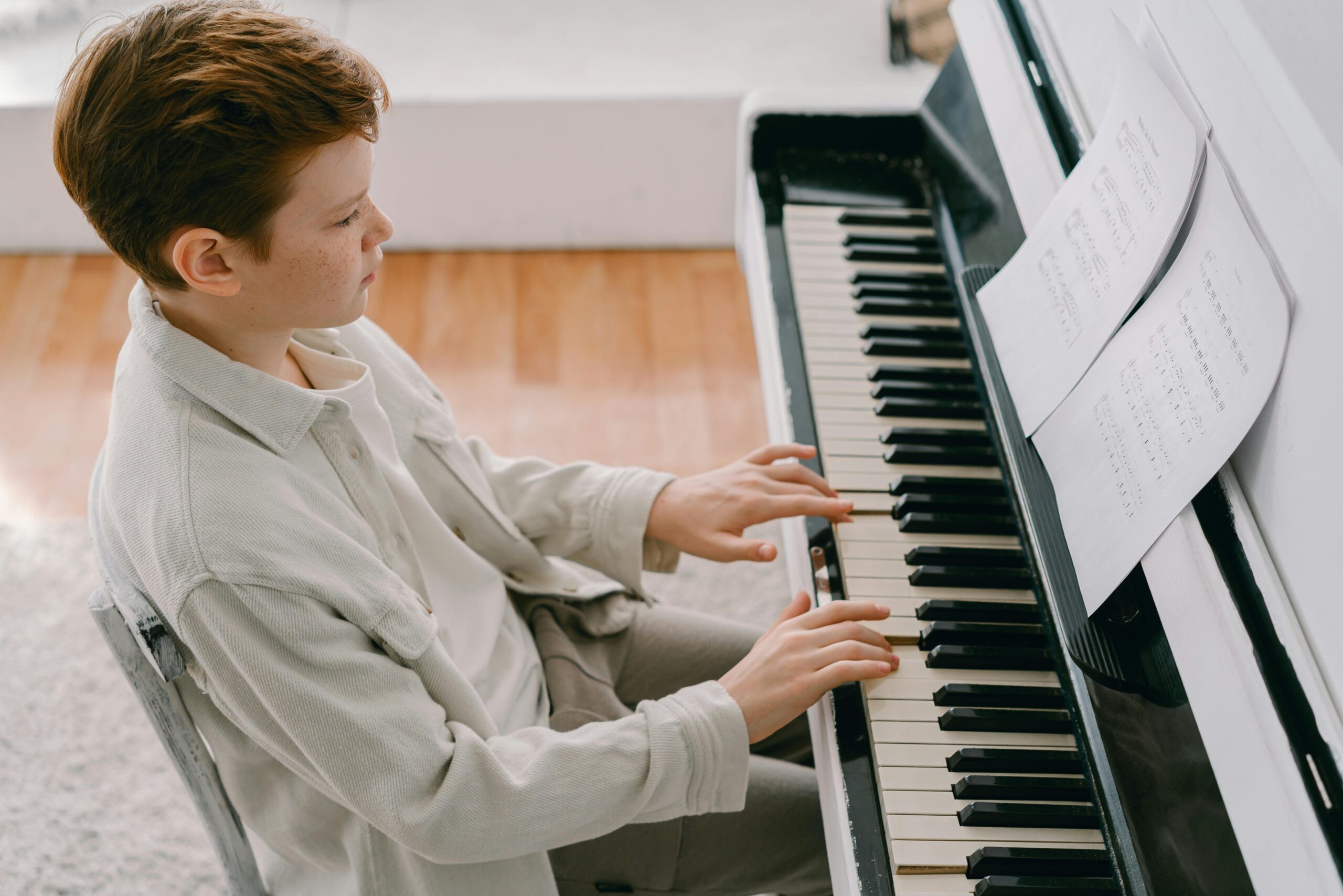
The piano is different. The layout is visual and intuitive. The keys are right in front of you, arranged in a simple, logical pattern. All your child has to do is press a key, and a sound comes out. Clean, clear, immediate. No complicated technique is required to get started.
According to Bach to Rock Music School, this ease of entry is one of the biggest reasons piano is such a great starting point. Children can play recognizable tunes almost immediately, which keeps them motivated and excited to continue learning. That early sense of success makes a huge difference.
A piano also never needs tuning before you play it. A piano, unlike a guitar or violin, is always in tune and requires no adjustments. For busy parents trying to squeeze in a 15-minute practice session before school, that convenience matters.
It Builds Brain Power
Here is where things get really interesting. Piano is not just good for music. It is good for the brain in ways that touch almost every area of your child’s development.
Playing the piano requires both hands to work independently, each doing something different at the same time. This challenges the brain in a unique way, strengthening the connections between its two hemispheres. Tonara notes that children who learn piano form neural pathways that link analytical thinking on one side of the brain with creativity and abstract thought on the other. That kind of brain wiring benefits them in school, in sports, and in life.
Research also shows that piano lessons boost math skills. A study at Brown University found that children who received musical training scored significantly higher in math than their peers who did not. Reading music requires understanding patterns, fractions, and sequences, all of which reinforce mathematical thinking in a natural, enjoyable way.
Language development gets a boost, too. Children’s ability to distinguish speech sounds closely aligns with the auditory skills they develop through piano practice, including pitch, tone, and rhythm recognition. Children who study piano often become stronger readers as a result of this connection.
It Teaches Life Skills That Last
Beyond the academic benefits, piano teaches children something just as valuable: how to work hard at something difficult and keep going.
Learning a new piece takes patience. It does not happen overnight. Children have to practice, make mistakes, practice again, and slowly improve. That process teaches them discipline, persistence, and the deeply satisfying feeling that comes from mastering something after real effort. These are lessons that will serve them in every area of life, from school to work to relationships.
Piano lessons naturally teach children time management. Fitting in regular practice, preparing for recitals, and juggling music with school and other activities helps kids learn to organize their time from a very early age.
Confidence is another big one. There is something powerful about sitting down at a piano and playing a piece you worked hard to learn. That kind of tangible accomplishment builds genuine self-esteem, the kind that comes from real effort rather than empty praise.
It Is a Foundation for Everything Else
One of the best arguments for the piano as a first instrument is what it opens up afterward. The skills you gain from piano, reading music, understanding harmony, and developing rhythm and timing, transfer directly to any other instrument your child may want to learn later. Piano gives them a musical vocabulary that makes every subsequent instrument easier to pick up.
Whether your child eventually wants to play guitar, violin, drums, or sing in a choir, the foundation they build at the piano will accelerate their progress in ways that starting on another instrument simply cannot match.
When Should You Start?
Most music educators suggest starting piano between the ages of 4 and 6, depending on your child’s maturity and attention span. But even before formal lessons, you can expose your little one to the keyboard at home. Let them explore the keys freely. Play music they enjoy. Sing together. The earlier they develop a relationship with sound and rhythm, the more naturally they will take to formal lessons when the time comes.
If you want to learn more about why music education matters from the very beginning, check out our post on the Benefits of Music Education in Early Childhood and How Prenatal Music Affects Your Baby’s Development for the full picture.
Starting with piano is one of the best decisions you can make for your child’s future. It is fun, accessible, and full of benefits that go far beyond music. And honestly, watching your child sit down at a piano and play their first song? That feeling is priceless.
Is your child learning piano? Tell us about their experience in the comments below!