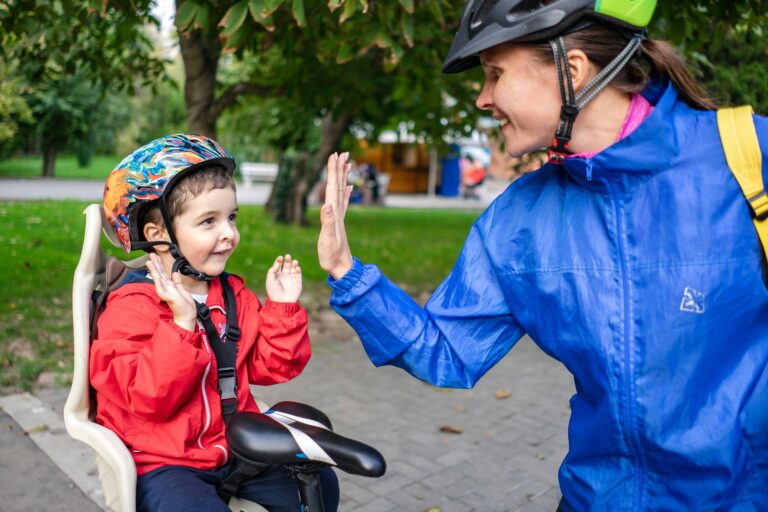
When Should Parents Stop Helping Kids? 6 Expert Signs
When Should Parents Stop Helping Kids Solve Their Own Problems?
Quick answer: Parents should step back once a task is safe, age-appropriate, and within a child’s ability, and step in only when there’s real danger, a skill the child genuinely doesn’t have, or a pattern of struggle that goes beyond ordinary frustration. Child psychologists and family therapists agree that the clearest test isn’t how upset a child seems; it’s whether the child has the tools to handle it and whether the worst-case outcome is survivable.
Every parent knows the feeling. Your child forgets their homework, freezes up mid-argument with a friend, or gets stuck putting on their shoes, and your body moves before your brain catches up. You fix it. It feels like love, because it is. But according to the child psychologists, family therapists, and parenting specialists below, that instinct, repeated enough times, can quietly teach kids the opposite of what we’re hoping for: that someone else will always catch what they drop.
So when should parents stop helping kids and let them work through things on their own? We asked several credentialed experts that exact question and organized their answers by the situations in which parents tend to intervene too quickly. (If you’re still figuring out your own approach, it helps to know which parenting style you tend to default to under stress, since that often shapes how quickly you jump in.)
When should parents stop helping kids with homework?
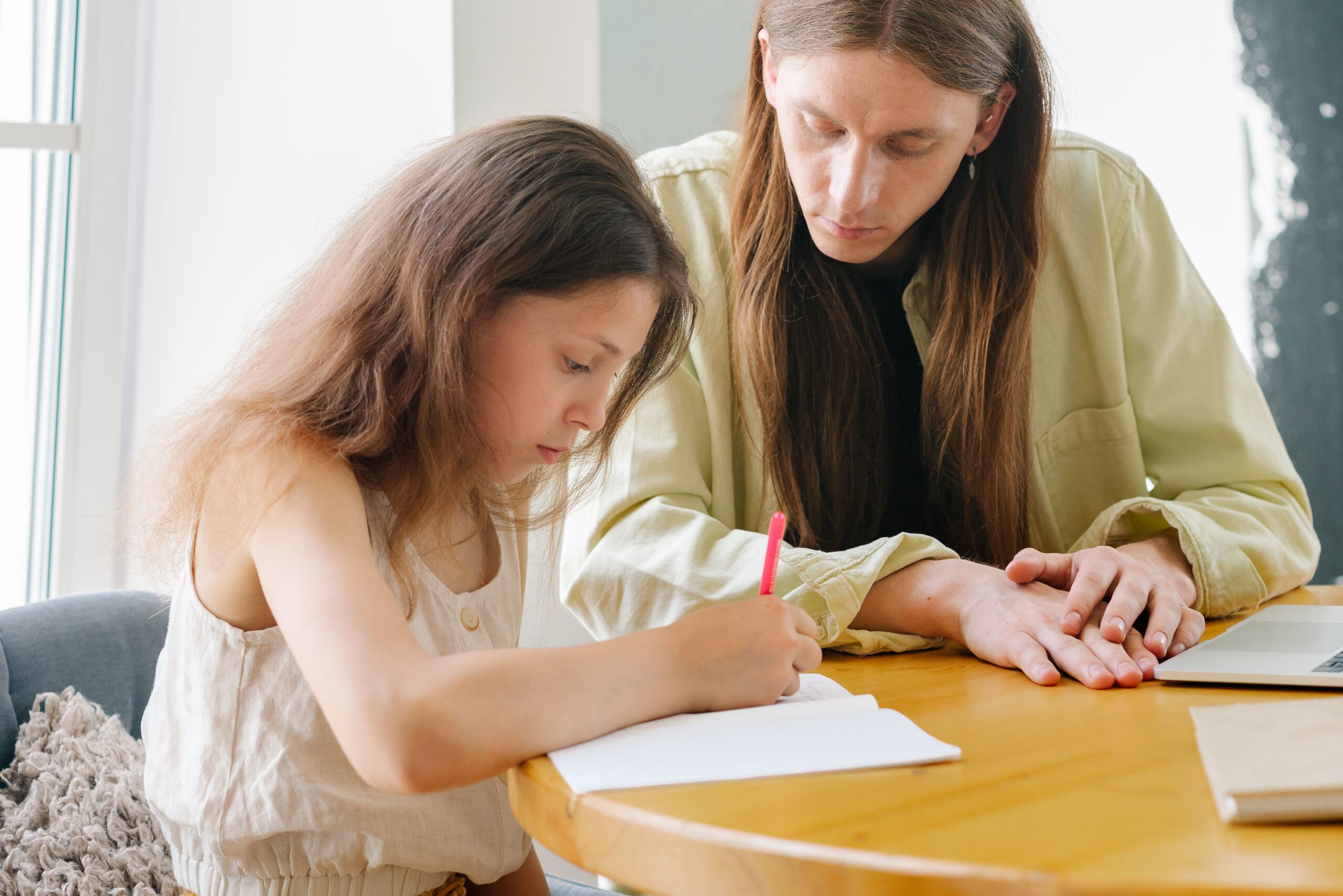
Direct answer: Once a child understands the assignment and simply doesn’t want to face the discomfort of doing it (versus lacking the skill to do it), that’s the moment to step back and let the natural consequence, like a lower grade or an awkward conversation with the teacher, do the teaching.
Homework came up more than any other example. A child leaves a project at home and panics, and a parent drops everything to deliver it. It feels efficient, but according to Melina Alden, MA, LMFT, that’s often the parent’s own anxiety doing the work the child was supposed to build. “The natural consequence, such as a bad grade or an awkward conversation with a teacher, is actually the fastest teacher available,” Alden says. Her advice: ask, “What’s your plan for this?” instead of proposing your own plan; let the grade land if they didn’t do the work; and debrief afterward without lecturing: “What do you think happened?”
Montserrat Armesto, a pedagogue and child neuropsychologist at Totters Care, offers a concrete script: set a clear routine, offer a simple choice about how to begin, and ask “Which step will you try first?” If the child is calm but stuck, encourage another attempt. If they’re genuinely overwhelmed, help them regulate first.
When should parents step in for forgotten items like lunches or gym clothes?
Direct answer: Let it go if the outcome is safe, immediate, and a genuine natural consequence, not one you quietly arrange. Step in immediately if safety is involved.
It’s really the same question of when parents should stop helping kids, just applied to backpacks and lunchboxes instead of worksheets.
Faruk Talmac, founder and publisher of My Parenting Book (drawing on guidance from certified family counselor Rana Talmac), offers a three-part test: the outcome has to be safe, immediate, and truly natural. “A forgotten folder usually passes. A forgotten inhaler never does,” he explains. “Safety is an absolute stop.” What matters most afterward is resisting the lecture. Their recommended wording is simple acknowledgment, not a verdict: “You seem cold. That must be uncomfortable.”
This same idea of letting kids sit with a consequence instead of shielding them from it connects to teaching kids to buy less and want less, another everyday area where stepping back, rather than immediately solving or providing, is what actually builds the skill.
When should parents stay out of their kids’ friendship conflicts?
Direct answer: Unless a child is being bullied, is in real danger, or is facing a serious power imbalance, let them practice resolving the conflict themselves, with you listening rather than directing.
Zoe Greensit, a parenting consultant and founder of Parenting2Thrive, says friendships are one of the areas where parents step in fastest. “If your child comes home upset because a friend ignored them, said something unkind, or they’ve had an argument, it can be tempting to jump straight in with advice, tell them what to say, or even contact the other parent.” Instead, she recommends starting with empathy and curiosity: “Sounds like that really upset you. Tell me what happened.” Then explore together: “What makes someone a good friend? How could you handle a disagreement? What do you think might happen if you tried that?”
When should parents let toddlers handle everyday decisions?
Direct answer: Younger than most parents assume. Give toddlers a few seconds to attempt a task themselves before stepping in, and watch for persistence, not frustration, to know if they need help.
Jessica Valdez, a maternal mental health expert and lactation consultant at AMA-mantando, points to the toddler years, when parents are often still in “hyperattentive” mode left over from infancy. Her advice: narrate instead of rescue. “Your banana broke into pieces; you can still eat it that way, or I can show you another way, your choice.” Then pause for a few seconds before stepping in. A child who keeps attempting the task and just wants reassurance is different from one who stays stuck or grows more upset the longer they try.
Should parents answer for their child at the doctor’s appointments?
Direct answer: No, not by default. Letting a child answer first, even a health question, builds the same self-advocacy muscle as in any other situation.
Anna Evans, founder of Interlinked Wellness, noticed this pattern at well-child visits. “I ask a child how they have been sleeping, and a parent answers before the child opens their mouth. What the child takes from it is that when an adult asks about their own body, somebody else handles the reply.” In one case, a twelve-year-old with stomach aches gave a clearer account than his mother had once she paused to include a detail she’d never heard: it happened on school mornings.
How can you tell if your child genuinely needs help or is just frustrated?
Knowing when should parents stop helping kids in any given moment usually comes down to reading the situation correctly, not applying a blanket rule.
Direct answer: Watch behavior, not volume. A child who keeps trying, complains loudly, or gets briefly upset is usually just uncomfortable. A child who goes quiet, shuts down, withdraws, or has no strategy at all to try next usually needs real support.
Dr. Christa Smith, PhD, a licensed clinical psychologist at CEREVITY, warns against using how upset a child seems as your guide. “The most capable children are often the loudest about small failures, and the ones in real trouble frequently go quiet.” Her three questions: Has the child done something like this before without help? Is the obstacle a skill they don’t have or a feeling they don’t want to have? And is anyone actually unsafe? “Withdrawal is the signal worth moving towards. Loud frustration usually is not.”
Melina Alden offers a gut-check for parents themselves: “Would I be doing this if I weren’t anxious? A lot of ‘helping’ is actually the parent regulating their own discomfort, not responding to the child’s actual need.”
Frequently Asked Questions
At what age should I stop helping my child with homework?
There’s no single age, but several experts point to around third or fourth grade as a reasonable pivot point for pulling back on daily oversight, then shifting further from “manager” to “consultant” through middle and high school. The better test than age is capability: can your child attempt a fix, even an imperfect one, on their own?
Is it bad to help my child too much?
Occasional help isn’t harmful. Deciding when parents should stop helping kids really comes down to patterns, not any single moment, specifically, stepping in by default for tasks a child could handle, which can prevent them from building planning, problem-solving, and self-advocacy skills over time.
What should I say instead of solving my child’s problem for them?
Several experts recommend a version of “What’s your plan?” or “What part do you understand? What could you try next?” These questions hand ownership back to the child while keeping you present and supportive.
When should a parent always step in?
Every expert quoted agrees on this line: real safety risk, genuine bullying or abuse, a significant power imbalance with an adult, or a task that is truly beyond the child’s developmental ability. In those cases, intervene without hesitation.
The takeaway: when should parents stop helping kids?
Ask a question instead of supplying an answer. Stay close instead of taking over. And trust that a little discomfort, handled alongside a calm adult rather than erased by one, is where real confidence is built. Every small moment your child works through on their own is its own kind of inchstone, worth noticing even when it doesn’t look like a milestone.